Overwhelmed and Exhausted? 4 Practical Tips for the Overstimulated Mom
Tips to regulate your nervous system

The mom guilt is incredibly real. You probably imagined yourself as a calm, regulated, happy mother—the kind of parent who plays on the floor with her children, speaks softly, and moves through the daily chaos with grace.
But reality often looks different.
If your children scream, cry, or grab at your clothes one more time, it feels like you are going to completely lose it. You find yourself raising your voice more often than you’d care to admit, and all you crave at the end of the day is a dark, silent room away from absolutely everyone.
If you are experiencing this, you aren't a bad mom. You are a highly overstimulated mom.
While spending an hour in a sensory deprivation tank or booking a weekend getaway would be amazing, you need realistic, sustainable tools you can use right now. Let’s dive into what is happening in your body and explore four practical ways to reduce sensory overload in parenting.
Understanding the Nervous System: Why Moms Get So Overstimulated
What does it actually mean to be "regulated"? Our nervous systems naturally fluctuate throughout the day based on the stimuli around us. We constantly move between two primary states:
- The Sympathetic Nervous System: This is your "fight-or-flight" mode. When you are here, you feel anxious, irritated, angry, on guard, or hyper-vigilant.
- The Parasympathetic Nervous System: This is your "rest-and-digest" mode. This is where you feel engaged, connected, grounded, open, and mindful.
When you experience constant, unrelenting sensory triggers—like crying, clutter, bright lights, and physical touch—your body gets stuck in a sympathetic state. When you can't come back down to a grounded baseline, it leads to chronic physical tension, emotional agitation, sleep issues, and high anxiety.
If the sensory overload goes on for too long, you might even experience functional freeze or shutdown. This feels like emotional numbness, dissociation, or a general sense of being "checked out." Paradoxically, this survival mechanism often triggers even more mom guilt because you feel like you aren't truly present with your children.
4 Sustainable Tips for Decreasing Stimulation for Moms
To bring your nervous system back into balance, you have to actively reduce the amount of sensory data your brain is forced to process. Here are four highly effective ways to lower the volume on the world around you.
1. Invest in High-Quality Noise-Filtering Earplugs
One of the most effective tools for an overstimulated mom is a pair of sound-filtering earplugs, such as Loop Earplugs.
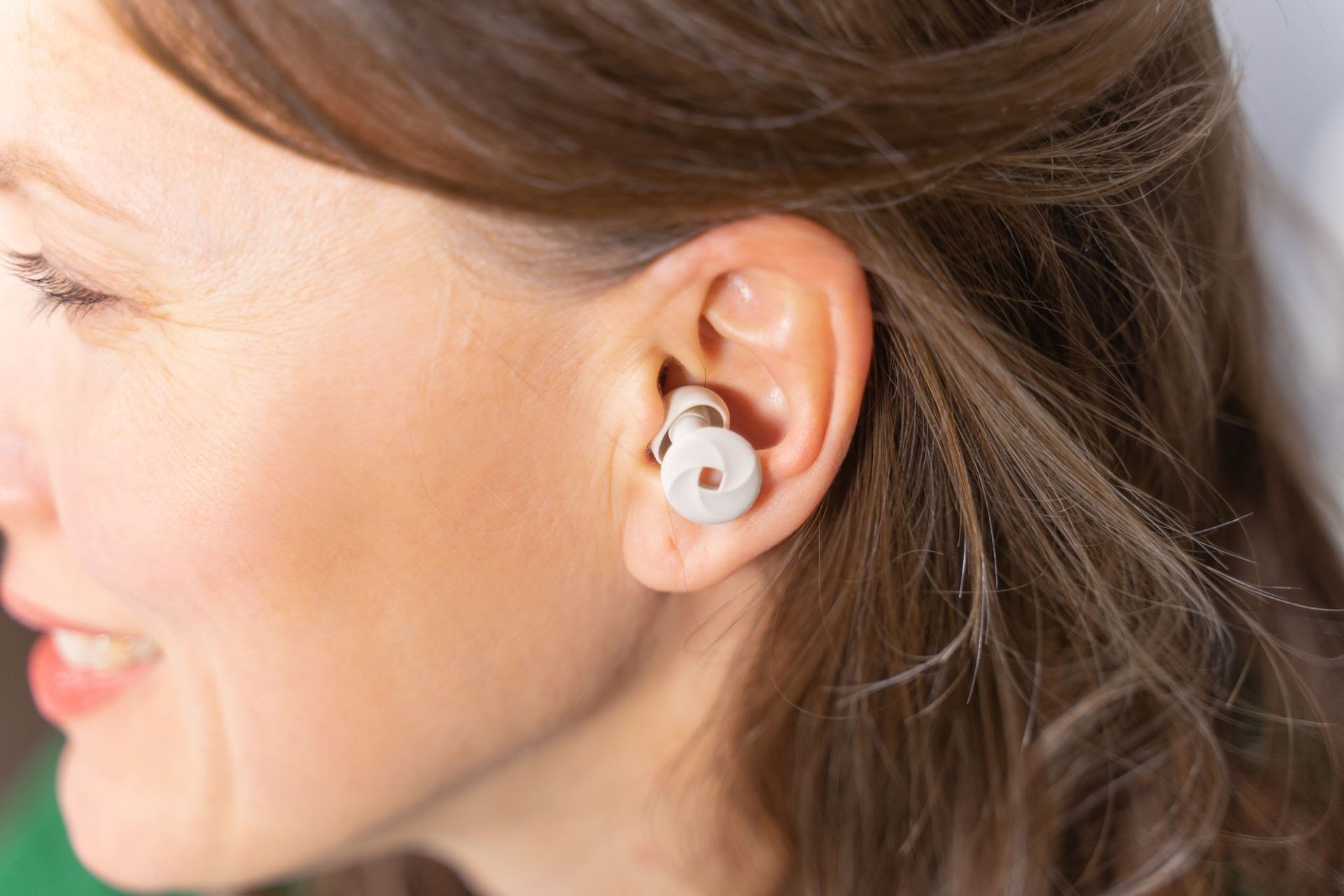
Many moms love the "Loop Engage" style. Unlike traditional earplugs that block out all sound, these simply filter out harsh background decibels. You can still easily hear your children and hold conversations, but the sharp edges of screaming, toy noises, and crashing pots are rounded off.
Constant high-decibel noise keeps your body in a perpetual state of low-grade stress. Research published in Oxidative Medicine and Cellular Longevity demonstrates how chronic exposure to environmental and traffic noise acts as a physical stressor, directly activating the sympathetic nervous system and elevating stress hormones like cortisol (Hahad et al., 2019). Try wearing these while making dinner, navigating a crowded Costco trip, or during your evening commute. Reducing traffic noise alone can prevent you from arriving home already in a state of fight-or-flight.
2. Acoustic Design: Dampen the Sound in Your Home
Modern home trends favor open concepts, high ceilings, and hard surfaces like hardwood and tile. While beautiful, these design choices act as an amplifier for sound. Echoing noises bouncing off bare walls can instantly trigger sensory overload.
You don’t need an expensive home renovation to fix this. Look for functional ways to absorb sound waves in your high-traffic rooms:
- Add plush area rugs with thick rug pads.
- Hang fabric tapestries, canvas art, or heavy blackout curtains.
- Look into decorative acoustic felt wall tiles that blend seamlessly into home decor.
A calmer acoustic environment drastically reduces the subtle, unconscious toll that echo takes on your brain.
3. Practice a 15-Minute Sensory-Deprivation Yoga Reset
If you can sneak away for just 15 to 20 minutes to a quiet space, you can actively shift your body out of sympathetic drive using restorative yoga. The goal here is to remove as much physical and mental stimulation as possible so your body feels entirely supported.

Studies in Frontiers in Human Neuroscience demonstrate that slow, mindful breathing and supportive resting postures significantly increase vagal tone, stimulating the parasympathetic nervous system to reduce stress and anxiety.
How to do a sensory reset:
- Strip away physical triggers: Loosen tight clothing, take off your jewelry, remove hairbands, and kick off your shoes. Give your skin nothing to process.
- Get fully supported: Lay flat on the floor, or prop yourself up at a slight slant on the couch. Slide pillows, rolled-up towels, or blankets under every single gap—under your knees, lower back, neck, wrists, or elbows. Your muscles should not have to work to hold you up.
- Eliminate sound and light: Dim the lights, close the door, and skip the music. Total silence is the goal.
- Let your mind drift: Do not worry about "clearing your mind." Just let your thoughts drive past like cars on a highway. Sink into the support beneath you and notice the gentle rhythm of your breath.
4. Turn Down the Visual Volume (Adjust Your Lighting)
Visual stimuli can be just as draining as noise. Bright, overhead fluorescent or LED lighting signals to your brain that it needs to be alert, working, and processing information.
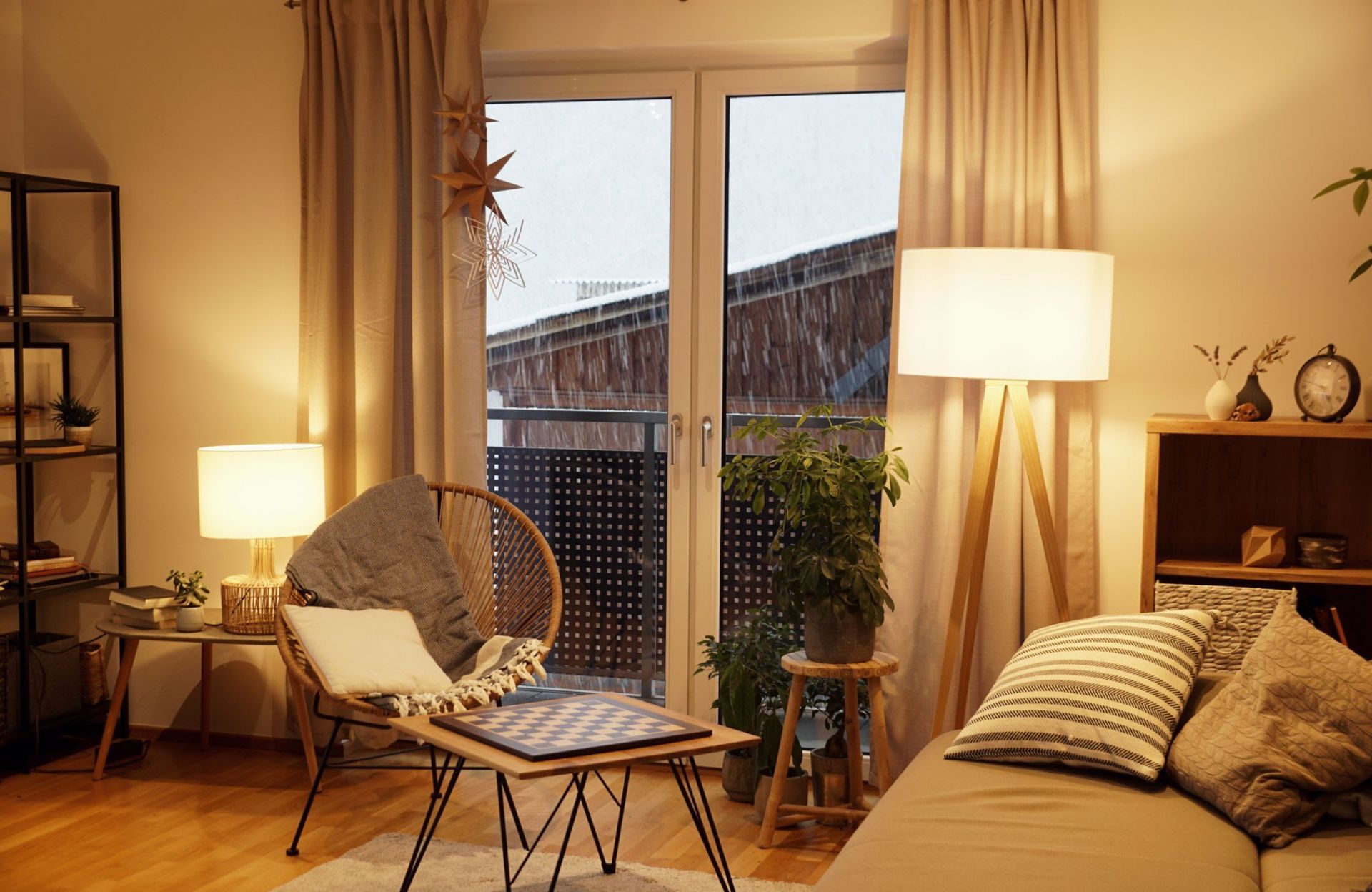
As the afternoon turns into evening, start intentionally dimming the lights in your home. Rely on lamps with warm-toned bulbs, salt lamps, or fairy lights rather than harsh overhead fixtures. According to a comprehensive review in the International Journal of Environmental Research and Public Health, artificial light exposure—especially blue light—profoundly impacts our circadian rhythms and autonomic nervous systems, keeping us wired when we need to be resting.
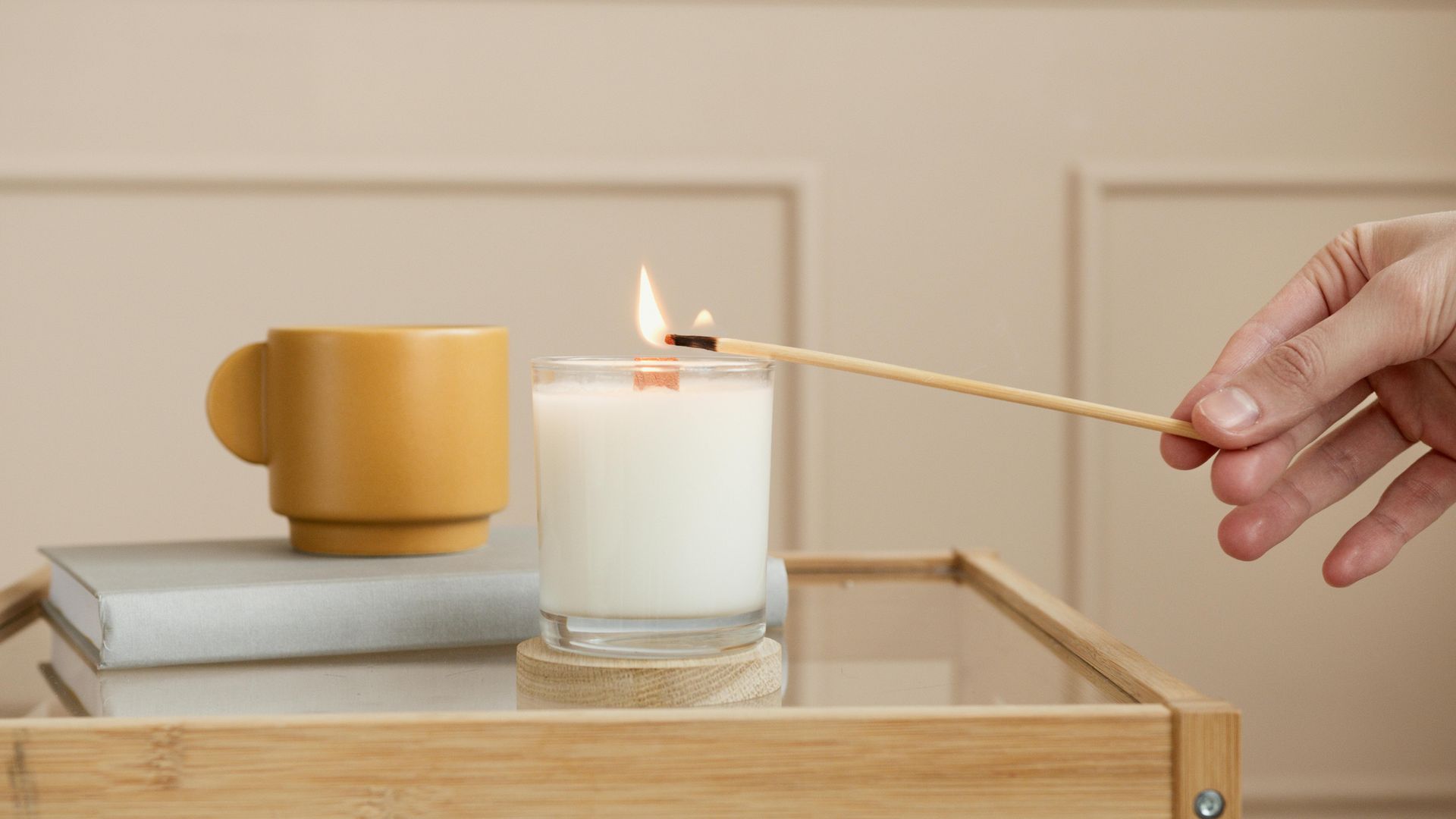
Turning down the lights gives your visual cortex a much-needed break and cues your nervous system that it is safe to transition into rest mode. (If you want to take your lighting and environmental regulation a step further, check out our recent blog post on the therapeutic benefits of candles!)
You Deserve a Regulated Life
Overstimulation isn't a parenting failure; it is a physiological response to a modern world that asks moms to carry too much at once. By making small, intentional tweaks to your sensory environment, you can protect your peace, lower your reactivity, and show up for your family with the presence and grace you desire.
If you are a mom struggling with burnout, chronic anxiety, or maternal overwhelm, you don’t have to figure it out alone. North Star Counseling & Wellness is here to support you. Reach out to us today to connect with a therapist who can help you build a personalized toolkit for nervous system regulation.
Meet
Our Therapists



Previous Blogs








Interested in our services? We’re here to help!
We want to get to know your needs so that we can provide the perfect solution. Give us a call today and we’ll do our best to help.